

$79.00
$129.00


Natural pieces loved by pets and designed to belong beautifully in your home.









When we looked around our own homes, we noticed something surprising.
Beautiful furniture was made for people, while pet furniture was often designed as an afterthought—plastic, bulky, and out of place.
We believed pets deserve the same comfort, and homes deserve the same beauty.
That's why we created NienBam—a collection of thoughtfully crafted furniture and storage made from natural materials, designed to bring people, pets, and living spaces together in harmony.
Because a beautiful home should never ask you to choose between style and the ones you love.

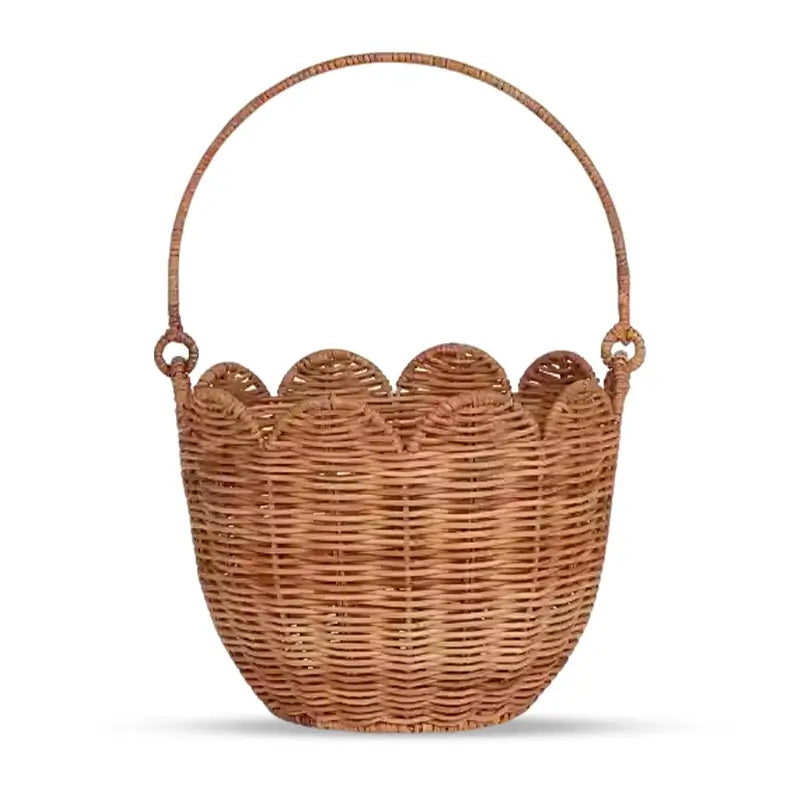
Why Choose Handmade Rattan Storage for Your Home? More and more American households are switching to natural, handcrafted organizers instead of plastic bins or plain boxes. Here’s why: Natural rattan is sustainable, non-toxic, and safe for food, toys, and daily use Handwoven texture adds warmth and boho/nordic style to any space Lightweight but strong, built to last for years Breathable, dust-resistant, and easy to clean Cute shapes make storage feel fun, not like a chore Plastic storage looks cheap, fabric boxes trap dust and hair, and metal bins feel cold. Rattan baskets solve all those problems in one stylish piece. Top Benefits of NienBam Apple & Pear Rattan Storage Baskets 1. 100% Natural Handwoven Rattan – Eco-Friendly & Safe Made from high-quality, flexible Indonesian rattan, each basket is carefully handwoven by skilled artisans. Free from harsh chemicals, glues, and toxins, it’s safe for storing snacks, toys, baby items, and everyday essentials. Certified by CE, FDA, Oeko-Tex Standard 100, FSC, and EPEAT — you can trust its quality. 2. Adorable Apple & Pear Shapes – Decor That Makes You Smile Who said storage has to be boring? The sweet fruit design adds a playful, warm touch to living rooms, nurseries, kitchens, and bathrooms. It’s not just storage — it’s a statement decor piece that guests will always compliment. 3. Multi-Purpose Use – One Basket for Everything These versatile baskets work anywhere in your home: Living room: snacks, remote controls, kids’ small toys Nursery / Kids’ room: hair clips, small toys, stationery Kitchen: fruits, dry snacks, table sundries Bathroom: cosmetics, cotton pads, toiletries Decor: flower basket, display piece, gift basket 4. Sturdy Heaven & Earth Cover Design The secure lid opens and closes smoothly, keeps dust out, and makes it easy to grab items inside. The double-ear handle adds convenience for carrying or moving. 5. Durable, Lightweight, and Long-Lasting Rattan is flexible but strong — not easy to break or deform. The tight handwoven structure holds its shape even with daily use. Light enough to move anywhere, but sturdy enough for regular organizing. 6. Super Easy to Clean & Maintain Simply wipe with a dry or slightly damp cloth. Do not soak or wash fully. Keep in a dry, ventilated area and avoid long direct sunlight — that’s it! Low-maintenance beauty for busy families. Full Product Specifications Product Name: Apple & Pear Shape Handmade Rattan Snack & Toy Storage Material: 100% Natural Handwoven Rattan Style: Nordic, Boho, Natural, Minimalist Lid: Heaven & Earth Cover (easy open/close) Features: Double-ear handle, dust-proof, decorative Certifications: CE, FDA, Oeko-Tex 100, FSC, EPEAT Care: Wipe clean; avoid soaking & long sun exposure Who Are These Baskets Perfect For? Anyone who loves cute, stylish home decor Parents who want safe, non-toxic storage for kids’ items People who enjoy eco-friendly, sustainable home goods Renters and homeowners who want easy, quick organizing Gift shoppers looking for unique, practical presents Lovers of boho, nordic, natural, and minimalist styles How to Care for Your Rattan Storage Basket Keep in a dry, well-ventilated space to prevent mold Wipe with a dry or slightly damp cloth Do not fully wash or soak in water Avoid long exposure to direct sunlight Check woven parts occasionally for long-term use Final Verdict: Cute Storage That Actually Works So, are apple & pear shaped rattan storage baskets worth buying? Absolutely YES. They combine cuteness, functionality, eco-friendliness, and durability into one affordable, beautiful piece. If you want to organize your home while upgrading its look, this is the perfect choice. Turn messy corners into charming decor — one adorable rattan basket at a time.
Learn more
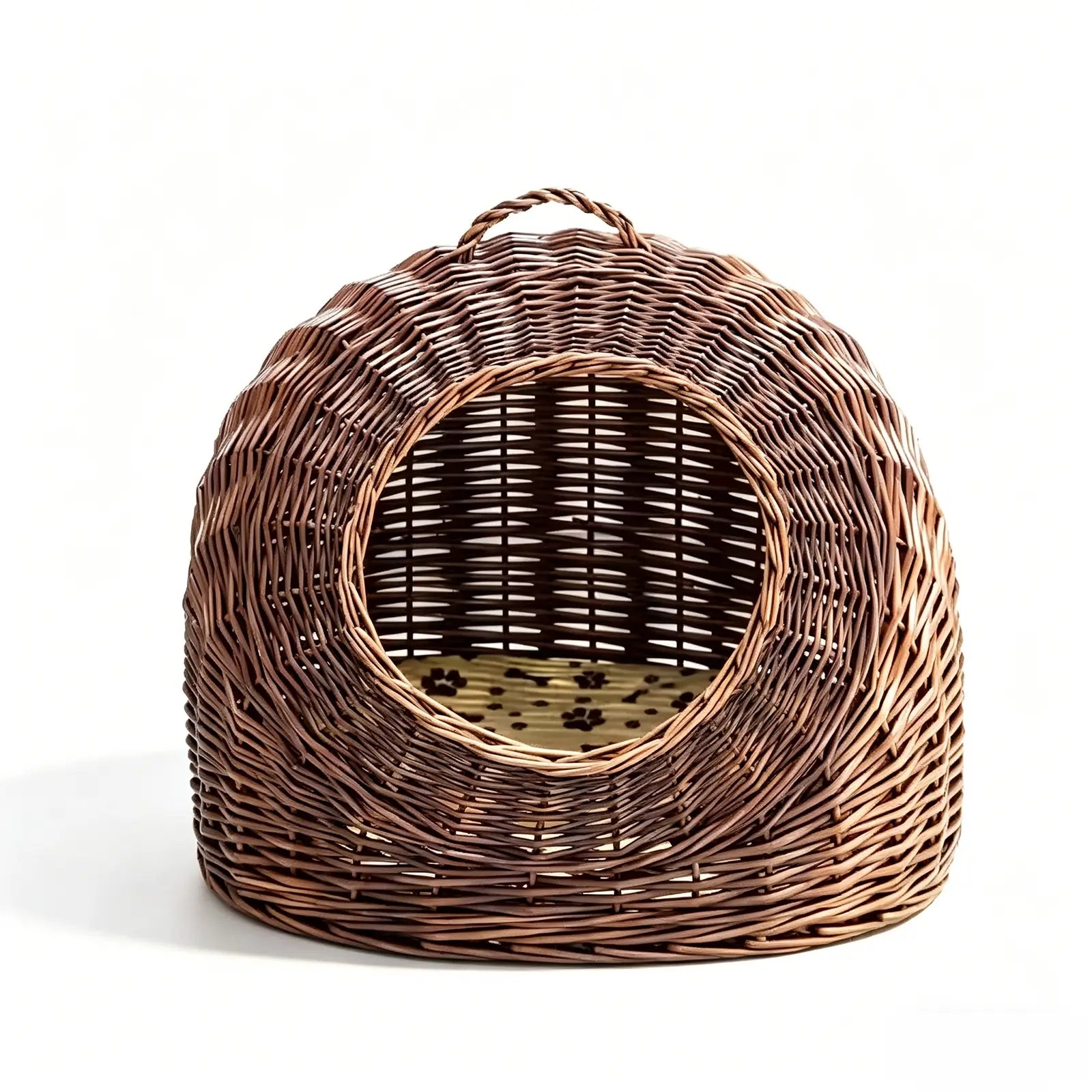
Why Do Cats Love an Enclosed Bamboo Cat Bed? Cats feel safe and relaxed in enclosed, private spaces. An enclosed cat house gives them a hidden spot to nap, rest, hide, and observe the surroundings quietly. Natural bamboo is one of the most ideal materials for cat furniture: Super breathable, keeps cool in summer and dry in winter Sturdy, scratch-resistant and not easy to deform Eco-friendly, chemical-free and non-toxic Natural neutral tone matches any home style Most cheap cat beds have obvious downsides: Outdated design that ruins your room style Poor air circulation, easy to get stuffy and smelly Flimsy structure, easy to shake or collapse Fabric absorbs pet hair and odor, hard to clean This handmade bamboo cat bed solves all these common problems perfectly. Top Features of Nienbam Handmade Bamboo Cat Bed 1. Natural Handmade Bamboo, Non-Toxic & Eco-Friendly This pet house is carefully hand-woven with premium natural bamboo. No harsh glue, no bad smell, no harmful chemicals. It is safe for kittens, adult cats and senior cats with sensitive skin and respiratory systems. The surface is polished smoothly without sharp splinters, protecting your cat’s paws and body. 2. Enclosed Cave Design for Better Sense of Security The semi-enclosed cave structure creates a private retreat for your cat. It helps reduce anxiety, making your cat feel calm and protected. With the soft plush cushion inside, your cat will love sleeping, napping and relaxing in this warm little hideaway. 3. All-Season Breathable Structure Thanks to the woven bamboo hollow design, air circulates freely inside the cat bed. It stays ventilated and comfortable all year round — no need to change different beds for summer or winter. Truly an all-season pet house. 4. Removable & Machine Washable Cushion Comes with a soft plush cushion that is fully removable and machine washable. You can easily keep the cat bed clean, fresh and odor-free without complicated maintenance. Perfect for busy cat owners. 5. Stable Structure & Suitable Size for Indoor Cats Solid handcrafted bamboo frame makes the whole cat house stable and not easy to tip over. Available in two sizes to fit small and medium cats: Size S: supports up to 14.33 lbs Size L: supports up to 19.84 lbs 6. Matches Modern & Boho Home Decor With natural bamboo texture and minimalist look, this cat bed fits perfectly with bohemian, rustic, modern and minimalist room styles. It is not only a pet house, but also a beautiful home decor piece. Product Specifications Product Name: Nienbam Handmade Bamboo Cat Bed Enclosed All-Season Pet House with Cushion Material: Natural Handwoven Bamboo Size S: 40×50 cm / 15.75×19.69 in Size L: 45×50 cm / 17.72×19.69 in Load Capacity: S up to 14.33 lbs, L up to 19.84 lbs Accessory: Removable Washable Plush Cushion Style: Enclosed Cave / All-Season / Boho & Modern Home Decor Maintenance Tips for Bamboo Cat Bed Place in dry and ventilated place to avoid moisture and mold. Clean the bamboo surface with a slightly damp cloth, do not soak in water. Avoid long-time direct sunlight to prevent fading and deformation. Wash the cushion regularly to keep hygiene. Who Should Get This Bamboo Cat Bed? Owners who want stylish cat furniture that matches home decor People who prefer natural, eco-friendly and non-toxic pet supplies Anyone looking for an all-season enclosed cat cave Busy pet parents who need easy-clean cat beds Families with kittens, adult cats or senior indoor cats Final Thoughts So, is a handmade bamboo cat bed worth buying? Absolutely yes. It offers safety, comfort, breathability, easy maintenance and stylish design all in one. If you are looking for the best enclosed all-season pet house with washable cushion, this Nienbam bamboo cat bed is your ideal choice. Give your cat a private, cozy safe haven, and add a natural decorative touch to your home at the same time.
Learn more
Why Your Cat Deserves a Premium Rattan Cat House Cats are naturally drawn to enclosed, breathable spaces that make them feel safe and secure. Rattan, a natural material, is the perfect choice for cat furniture—it’s warm to the touch, durable, and highly breathable, making it ideal for year-round use. Unlike fabric cat beds that trap hair and odors, plastic houses that feel cold and unnatural, or solid wood furniture that’s heavy and hard to maintain, rattan offers the best of all worlds. Common pain points with ordinary cat houses: Unattractive design that ruins your home’s aesthetic Toxic materials (like formaldehyde or harsh glues) that irritate your cat’s sensitive nose and paws Poor ventilation, leading to stuffiness in summer and dampness in winter Difficult to clean, making it a breeding ground for bacteria and pet hair Sharp edges that pose a risk of scratches or injuries to your cat The NienBam Boho Rattan Cat House solves all these issues with upgraded materials, thoughtful design, and functional features—creating a win-win for both you and your feline companion. Key Features of the NienBam Boho Rattan Cat House 1. 100% Natural Rattan & Solid Wood Frame – Eco-Friendly & Safe Handwoven with sustainably sourced natural rattan, this cat house is formaldehyde-free, glue-free, and odor-free—safe for even the most sensitive cats. It’s certified by CE, FDA, Oeko-Tex Standard 100, FSC, and EPEAT, so you can rest easy knowing your pet is sleeping in a non-toxic space. The reinforced solid wood frame adds stability, supporting a maximum weight of 20kg (44.09lb)—perfect for large cats or multi-cat households. It’s built to last, even with daily use and playful scratches. 2. Boho-Chic Design – Elevate Your Home Decor Gone are the days of hiding your cat’s bed in a corner! This Boho-style rattan cat house features a natural wood finish and intricate open-weave pattern that complements a variety of interior styles—including Nordic, minimalist, modern, and bohemian. Place it in your living room, bedroom, or balcony, and it will act as a stylish accent piece, not just a pet bed. Your guests will never guess it’s for your cat! 3. Enclosed Cave Design – Your Cat’s Private Safe Haven Cats crave privacy, and this enclosed cave design delivers exactly that. The spacious interior, paired with a soft, removable plush cushion, creates a cozy nook for napping, hiding, or observing their surroundings. The hollow open-weave structure ensures constant airflow, keeping your cat cool in summer and warm in winter—making it a comfortable retreat all year round. 4. Smooth Round Corners & Breathable Structure – Safe & Healthy Every edge and corner is hand-polished to be smooth and burr-free, preventing bumps and scratches during playtime or rest. The openwork design promotes air circulation, reducing the growth of bacteria and keeping the cat house fresh and clean—so your cat can enjoy a healthy living space. 5. Easy to Clean & Maintain – Perfect for Busy Pet Owners The included plush cushion is removable and machine-washable, making it easy to keep clean and fresh. The rattan frame can be wiped down with a damp cloth in seconds—no scrubbing, no harsh cleaners needed. It’s resistant to pet hair and dirt, so you can spend less time cleaning and more time cuddling with your cat. Product Specifications Item Details Product Name Boho Rattan Cat House Elevated Wooden Frame Pet Cave with Removable Cushion Material Natural Rattan + Solid Wood Frame Overall Dimensions 41cm × 41cm × 53cm (16.14in × 16.14in × 20.87in) Door Opening 34cm × 22cm (13.39in × 8.66in) Max Load Capacity 20kg (44.09lb) Accessory Removable Washable Plush Cushion (Free Gift!) Certifications CE, FDA, Oeko-Tex Standard 100, FSC, EPEAT Who This Cat House Is Perfect For Pet owners who value home aesthetics and don’t want pet furniture to ruin their decor Eco-conscious cat parents who prioritize non-toxic, sustainable pet supplies Owners of kittens, adult cats, or senior cats who need a safe, comfortable resting space Busy professionals who want low-maintenance pet furniture Multi-cat households or owners of large cats who need a sturdy, high-load-bearing cat house Rattan Cat House Maintenance Tips Avoid long-term direct sunlight to prevent fading and deformation. Keep the cat house in a dry, well-ventilated area to avoid mold growth. Clean the rattan frame with a dry or slightly damp cloth—do not soak it in water. Regularly check the woven structure and repair any loose parts to extend its service life. Final Verdict: A Stylish, Functional Investment for You & Your Cat The NienBam Boho Rattan Cat House is more than just a cat bed—it’s a piece of bohemian home decor that brings harmony to your living space and comfort to your cat. With its natural, non-toxic materials, cat-friendly design, stylish appearance, and easy maintenance, it’s a long-lasting investment that both you and your furry friend will love. If you’re searching for a stylish rattan cat house, boho-style pet cave, safe enclosed cat bed, or all-season elevated cat house, look no further. Give your cat the private, cozy retreat they deserve while elevating your home decor—all in one beautiful piece.
Learn moreYour cart is currently empty.
Not sure where to start?
Try these collections:

Sign up for sustainable living ideas, new product updates, and 5% off your first NienBam order.


